
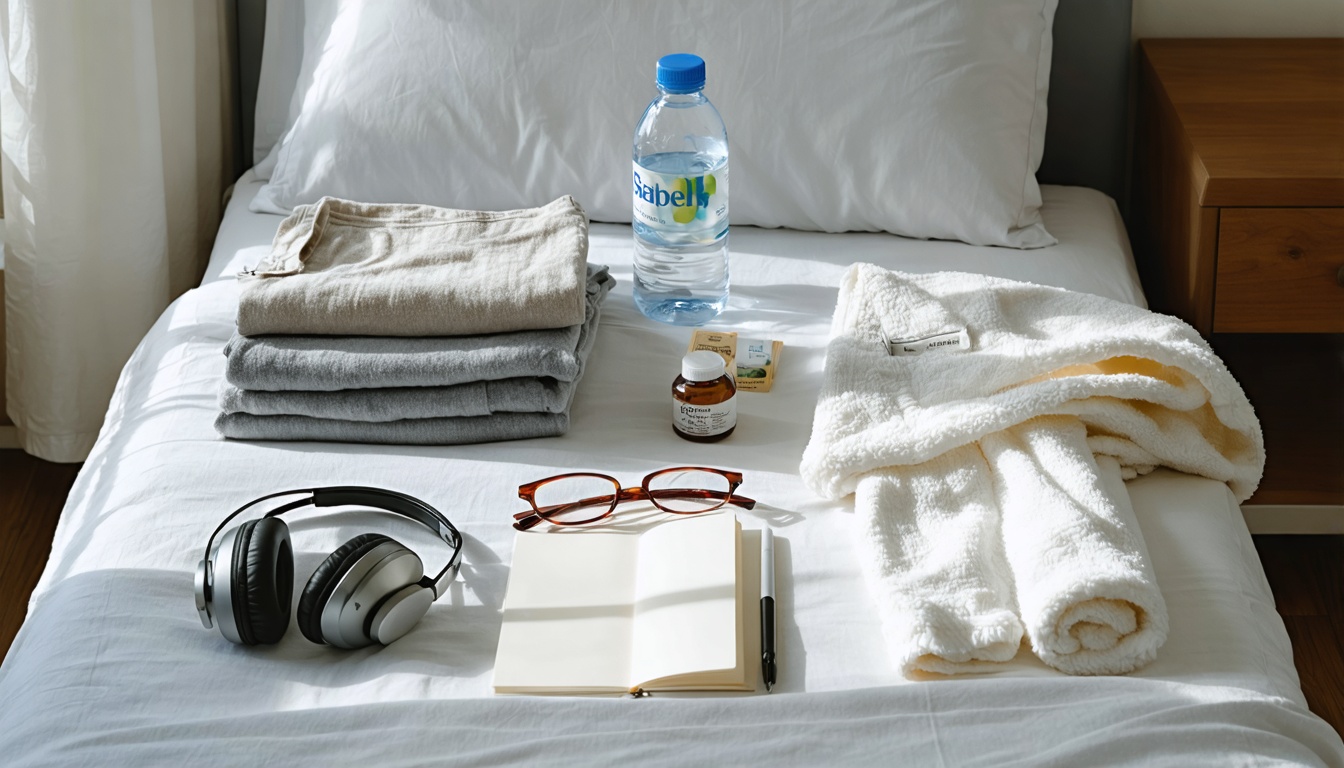
When you’re preparing for inpatient rehab, packing the right essentials can make all the difference in your comfort and recovery. You’ll need to think about documents, personal care, and a few items that help pass the time or give you peace of mind. But it’s just as important to know what should stay behind, since some things can cause unnecessary hassle or even be restricted once you arrive. So, what really goes in your bag?
When preparing for inpatient rehabilitation, it is essential to gather important documents and medications to facilitate a smooth admission process and optimize treatment outcomes. Key items to bring include a government-issued identification card, insurance details, medical records, and current prescriptions. It is important that medications are packed in their original containers to ensure proper identification and administration.
The effectiveness of your treatment program, regardless of location—whether in Maryland, Rhode Island, New York, or elsewhere—hinges on the accuracy of your health records. Therefore, having complete and up-to-date information is crucial for care providers to address any substance use or alcohol-related concerns effectively.
In addition to personal documents, it is advisable to compile a list of outpatient resources, pharmacy contacts, and other essential numbers for healthcare providers. This can enhance communication and coordination of care.
Moreover, patients should be prepared with a list of questions to ask during their admissions process. Reviewing frequently asked questions available on blogs or resource centers of websites focused around rehabs, such as https://visaliadrugrehabcenters.com/, can provide valuable insights and clarity.
By ensuring that all required documents and medications are organized prior to arrival, patients can contribute to a more efficient and streamlined rehabilitation experience.
The facility will supply certain basic items; however, it is advisable to bring your own personal hygiene and health products to ensure your routine self-care is maintained throughout your stay. Essential items to consider include a toothbrush, toothpaste, mouthwash, soap, deodorant, shampoo, and a comb or brush.
Additionally, individuals participating in Treatment Programs for Addiction or Substance Abuse—regardless of the state, whether it be Maryland, Rhode Island, or New York—should also include feminine hygiene products and shaving cream in their personal care packages.
If you rely on eyeglasses, it is prudent to pack an extra pair along with your prescription information to avoid disruptions.
Furthermore, prior to bringing any over-the-counter medications, it is essential to consult with your care providers regarding the facility's specific policies on such items.
For additional resources, the Resource Center’s Menu, Find, and Blog sections provide a range of Frequently Asked Questions and support options that may be helpful during your stay.
When preparing for your stay in a rehabilitation program, it is essential to consider the practicality and appropriateness of your clothing to support your daily activities and any specific medical requirements.
It is advisable to pack several sets of athletic clothing, including T-shirts, sweatpants, and stretch pants, which are suitable for Treatment, Therapy, and Outpatient programs available in West Maryland, New York, and Rhode Island.
Footwear should also be selected carefully; care providers typically recommend soft-soled, nonskid shoes to minimize the risk of slips and falls, and it is advisable to avoid backless shoes for overall safety.
Additionally, you should include undergarments, socks, pajamas, and slippers with tread, as these items are beneficial for various Activities associated with Substance Abuse and Addiction Programs.
For further information on what to pack or specific inquiries, it would be prudent to consult our Blog or Resource Center, or you may choose to Contact Us directly for assistance.
When preparing for an inpatient rehabilitation stay, it is important to consider which electronics and leisure items may be appropriate and permitted by the facility. Most rehabilitation centers allow patients to bring a laptop, which can facilitate access to free wireless internet. This enables communication with family members and allows individuals to manage personal matters during their stay.
In addition to a laptop, patients often choose to bring reading materials such as books and magazines, as well as recreational items like playing cards. These can help support relaxation and downtime while participating in the treatment program.
It is also advisable to carry a small pad and pen, which can be useful for taking notes during therapy sessions, formulating questions for care providers, or maintaining personal health records.
Financial considerations should also be taken into account. It is generally recommended to limit cash to approximately $5 for incidental expenses, as many facilities have restrictions on the amount of money patients can carry.
Before finalizing your packing list, it is wise to consult the specific guidelines of the rehabilitation facility, as many have policies on non-approved electronics and other items.
For additional information and packing tips, resources such as outpatient resource centers and blogs focused on alcohol and substance abuse care, particularly in regions like Maryland, Rhode Island, and New York, can be beneficial.
When preparing for your inpatient rehabilitation stay, it is important to consider the items you should leave at home to ensure a smooth and effective treatment process. Personal medications and valuables that are not essential should be set aside. It is critical to refrain from bringing outside medications, as your healthcare providers will oversee all prescriptions to maintain a high standard of safety in treatment protocols.
Additionally, any clothing that features profanity or references to substance abuse should be excluded from your packing list, as these items may not align with the therapeutic environment aimed at fostering recovery. Footwear unsuitable for therapy purposes should also be left behind to ensure safety and facilitate participation in treatment activities.
Toiletries that contain alcohol are discouraged as they may contradict the therapeutic goals. Furthermore, it is advisable to avoid bringing distractions such as video games or candles, as these may interfere with your focus on the program.
Rehabilitation facilities, including those located in Maryland, New York, and Rhode Island, typically provide essential resources and personal hygiene items, minimizing the need to pack these items.
Should you have any inquiries, it is recommended to utilize the Resource Center, or contact the facility directly for further assistance related to frequently asked questions.
Bringing the right essentials to inpatient rehab helps ensure your comfort and peace of mind during your stay. Remember to pack your important documents, medications, and personal hygiene items, along with comfortable clothing and a few leisure activities. Preparing these items in advance lets you focus on recovery, not what you might be missing. Leave unnecessary or restricted items at home, and you'll set yourself up for a more positive and supported rehab experience.